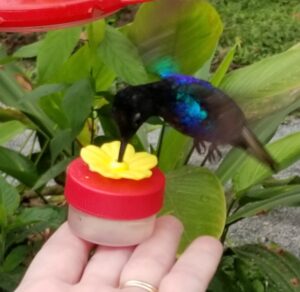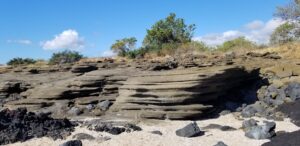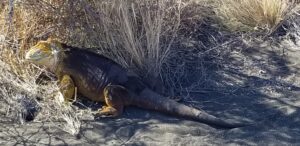
These are the blog posts from our trip to Ecuador – the Cloud Forest and the Galapagos Islands. Click the titles to expand and collapse the entries.
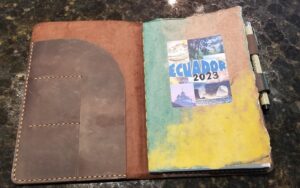
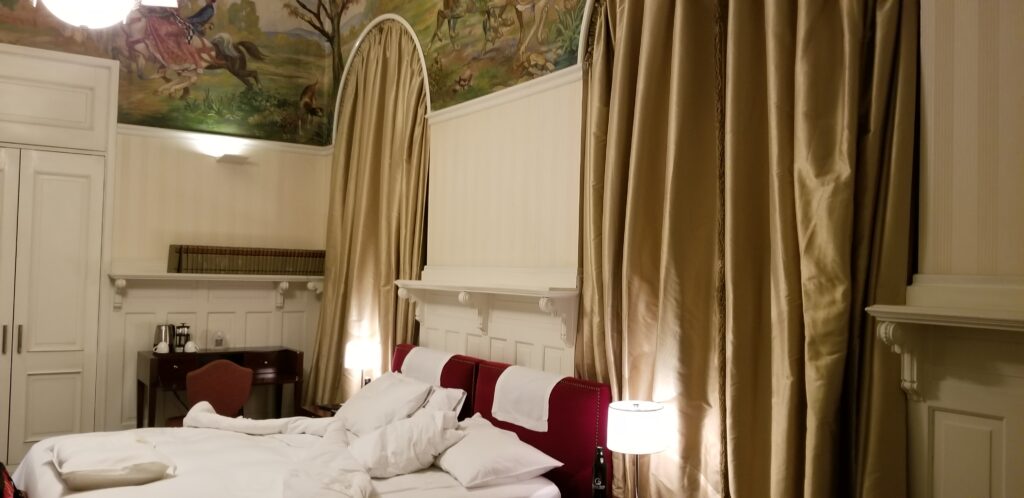
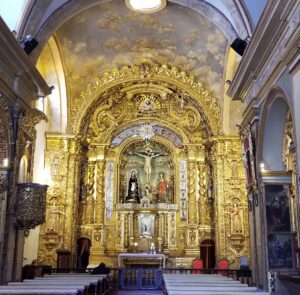
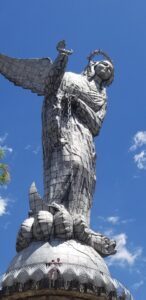
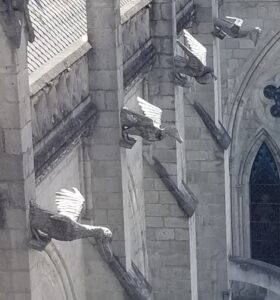
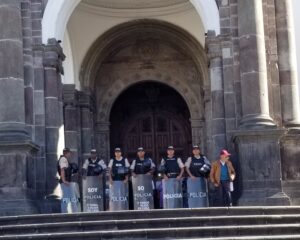
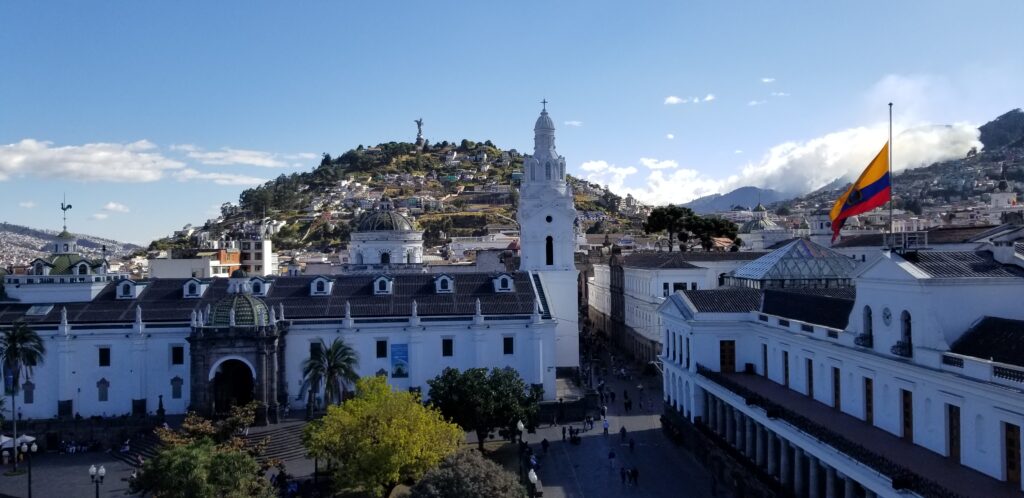
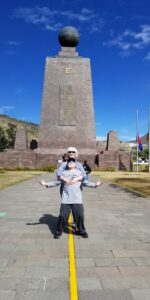
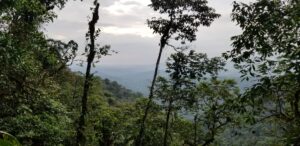
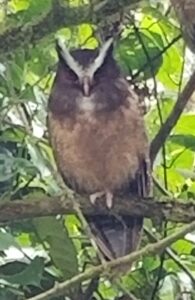
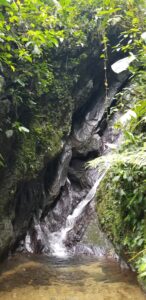
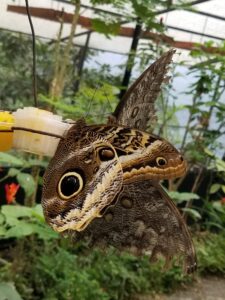
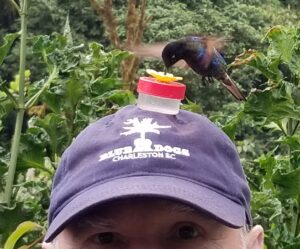
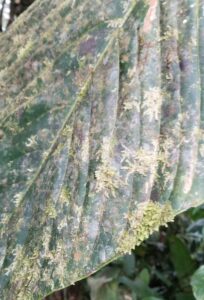
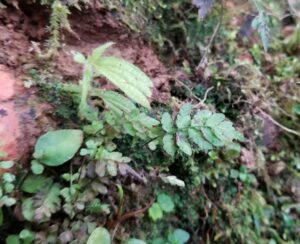
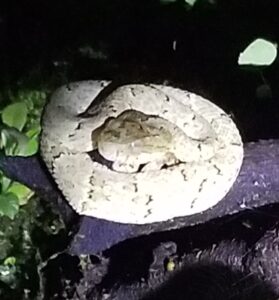
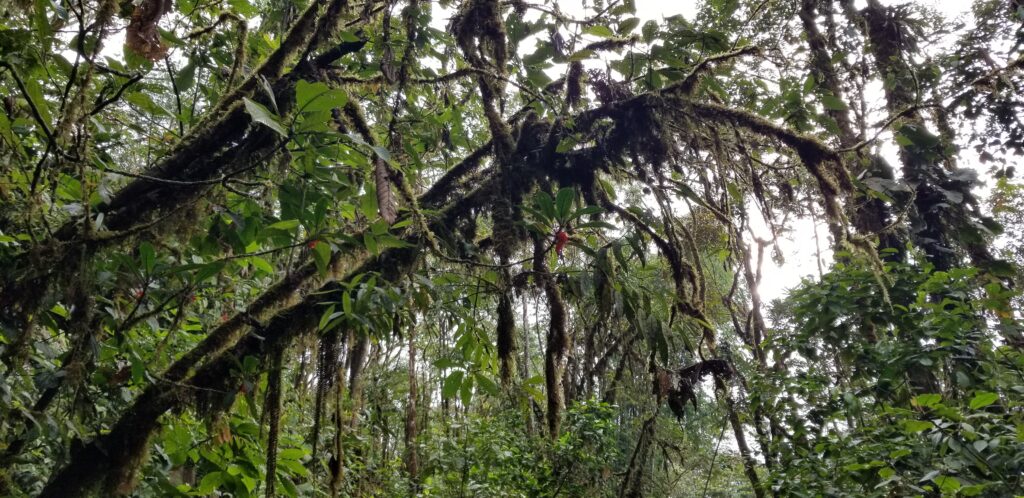
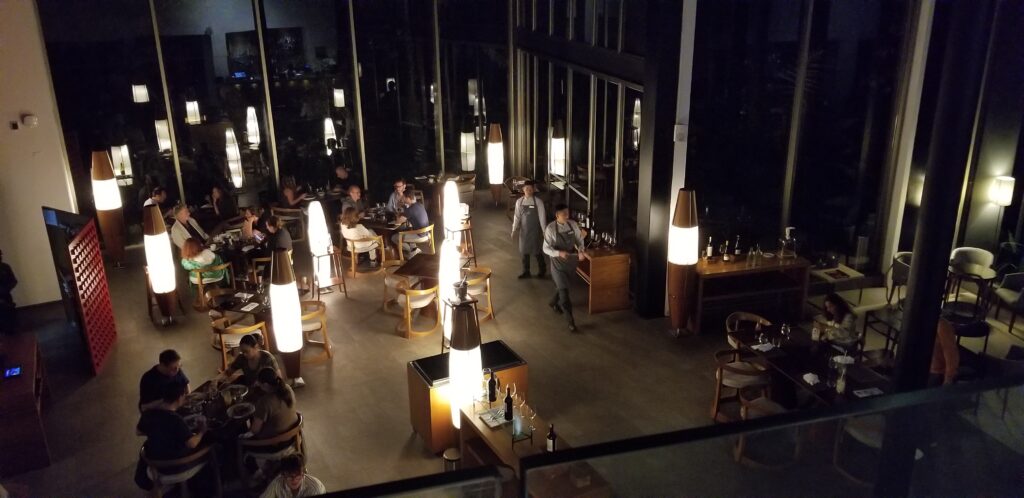
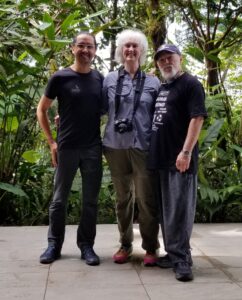
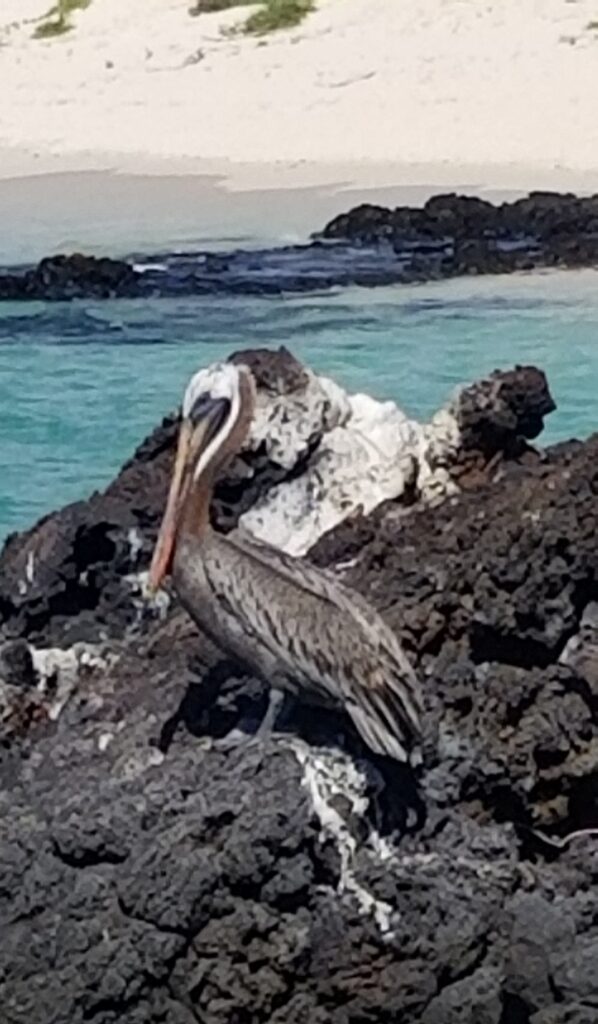
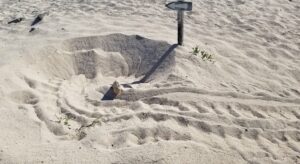
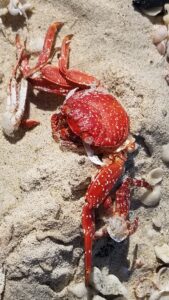
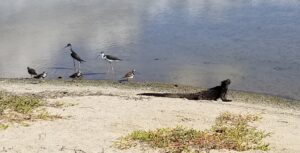
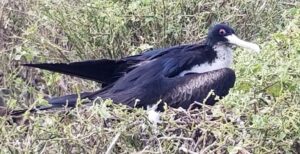
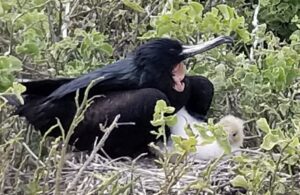
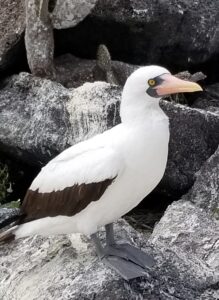
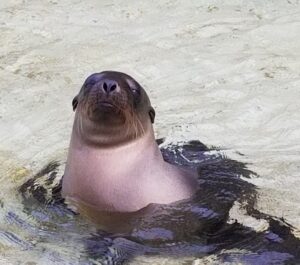
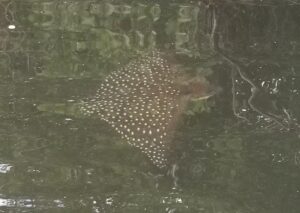
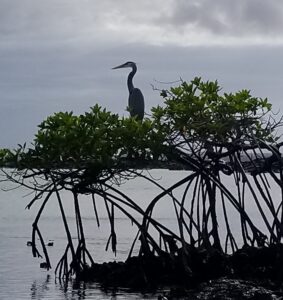
8/8/23 Ecuador, Here We Come! Tomorrow we are leaving for Ecuador. Like Africa last year, this is a trip I never dreamed I would be able to take. The Cloud Forest. The Galapagos Islands. I am humbled and grateful to be able to see such marvels so far from home. As always, I will be blogging each day for those who are interested in following along. In truth, these posts are as much for me as anyone – I love looking back and remembering. Besides these blog posts, I also keep travel journals. One of the joys of being an artist is making my own journal for each trip, and I have a lovely leather journal cover given to me by my dear friend Brian. Here’s the one for this trip, all ready to go! The cover is pulp-dyed handmade (by me) paper glued to card stock, and the pages are a sturdy bamboo mixed-media paper that stands up to sketching and watercolor. I composed the graphic in Photoshop, and Mick printed it on his coffee-label printer. Perfect! As a final thought, if you’d like to receive updates by email whenever I post here, you can subscribe to my blog (over on the right ->). I will never share your email address or spam you, I promise! 8/9/23 In Quito, at Casa Gangotena Just the quickest of updates tonight. It’s been a long travel day, but we are safely tucked away in a gorgeous hotel in the old part of the city. Tomorrow, a city tour with our talkative and knowledgeable guide Wilson. Our room in Casa Gangotena 8/10/23 A Quito City Tour Today’s big news, of course, is that one of the presidential candidates in Ecuador’s upcoming election, Fernando Villavicencio, was assassinated yesterday right here in Quito. Most likely by one of the drug cartels. In the aftermath of this horrible event, all the events scheduled to celebrate Independence Day (which is today) were cancelled. I’ll talk more about what else we saw later in this post. This morning, in spite of being up really late and getting only a few hours of sleep, we were awake by 7:00 and had a lovely breakfast in the hotel. Our guide Wilson (of Gentian Trails Travel) scooped us up at 10 o’clock and we were off for our big day. Capilla de Cantuña We started in the San Francisco Plaza right across the street from our hotel, where we visited the first Catholic chapel built in Ecuador – the Capilla de Cantuña. This is part of a Franciscan monastery that includes a bigger church and a museum of paintings, statuery, and furniture reflecting the Spanish colonization and influence on this area, which was considerable. From there we drove to the Viewpoint, the hilltop where the statue of the Virgin Mary overlooks the city. This is the tallest statue in South America, at 41 meters high, and is made of aluminum. From this same hilltop there are panoramic views of Quito in every direction, including a really excellent view of Old Town, where our hotel is located. The Virgin Mary overlooking Quito Upon returning from the Viewpoint, our next visit was to the Basilica Nacional, which was designed in the gothic style of Notre Dame. Fascinatingly, its gargoyles are animals and birds of Ecuador. We climbed a STEEP set of stairs (really, it was a built-in ladder) to a high tower to enjoy more spectacular views of the city. Then to the Basilica’s cafe to enjoy a snack of coca tea and humita, an indigenous bread made from corn and cheese. It was very tasty. Birds of the Galapagos as gargoyles at the Basilica Nacional Then we walked the long, steep (fortunately downhill!) Street of the Seven Crosses to the main city plaza. We had lunch there at the Plaza Grande restaurant, where we could look out at the plaza. Lots of people – walking around, selling things, sitting and enjoying the sunshine. The building to our right was the Presidential Palace, which is comparable to the US White House. The national flag atop the building was flying at half-mast in honor of Mr. Villavicencio, and there was a noticeable police presence – city police, federal police, and special police – according to Wilson, many more than usual. As we were finishing up our meal, there were suddenly a lot more police officers and many people started clearing out. Wilson said it was time for us to go as well, and so we did. As we walked across the plaza to our next destination, we saw dozens of police officers with riot shields and helmets lining up in front of the Presidential Palace and the church on the adjoining side of the plaza. Clearly they were prepared for whatever unrest might come their way. Police in riot gear at the Plaza Grande We had just a few more stops on our city tour, and two were particularly memorable. The first was the Gold Church. I don’t even really have any words for this mind-boggling experience. Imagine a large cathedral where pretty much the entire interior walls and ceilings are covered with gold decoration and you’re getting there. We were not allowed to take pictures inside at all. It was an overwhelming display of the earthly authority of the Catholic Church in the name of God. The final stop on our tour was a delicious one – we enjoyed a chocolate tasting at Yumbos Chocolateria. Once back at our hotel, we collapsed. Between the enjoyable but long day, with lots of walking, and the effects of altitude (we are at 9250 ft elevation here) we are beat! Tomorrow we head for the Cloud Forest, where we will be staying at Mashpi Lodge. Overlooking Plaza Grande, with the Presidential Palace on the right 8/11/23 The Lovely, Lovely Cloud Forest Straddling the equator in Ecuador Today we drove from Quito to our next destination, Mashpi Lodge in the Ecuadorian Cloud Forest. On the way, we stopped at the monument marking the equator. The monument had a view deck and a museum, as well as lots of surrounding shops and food stalls. It commemorates the French scientists who came here in the 1700s to confirm that the shape of the earth is flattened at the poles with a bulgy middle instead being of a perfect sphere. Of course, Mick & I had to have our picture taken straddling the equator, to match the one we have from Kenya last year. One thing I learned in the museum that I found really interesting is that the ancient indigenous cultures here used to bury their dead curled in the fetal position, in a cauldron. Go out as you came in. View from a trail in the Cloud Forest at Mashpi Then we proceeded on, slowly due to holiday weekend traffic, to Mashpi. This lovely, serene eco-resort was build on the site of an old logging camp in what is now over 3000 acres of preserve. As promised, it was indeed cloudy when we arrived. I can’t express how much I love it here. Giant flora, lots of birds, and a modern, luxurious building with caring, attentive employees. After getting settled in our room, we met with one of the outings coordinators to learn more about what’s on offer here, then went for an hour-long walk through the forest. Even though it was just a short outing, we saw and heard so much: toucans calling, a White-whiskered Hermit Hummingbird, small blue fruits on a bush related to coffee plants, a giant snail (bigger than my hand!), an ocelot paw print, a guan (type of turkey), and many very cool leaves with amazing vein patterns. I’m determined to find a balance between doing all the things here and allowing time to really let it soak in. Making sure to sit and look and listen, to sketch and capture colors, and just BE. In between all those great activities that I can do only while I’m here. 8/12/23 The Dragonfly Tram, Butterflies, and a Night Walk Our first full day here at Mashpi actually started before breakfast, with a short bird-watching session on the terrace upstairs from our room. I was reminded of how a wave of bird song, to greet the dawn, is continuously sweeping around the globe. It was a very sweet way to start the day. Crested Owl After a delicious breakfast, our morning outing was to take the Dragonfly Tram ride over the Cloud Forest. It’s named this because dragonflies have a 360 degree view and soar through the air, just like the tram. It was incredible to travel so high over the forest canopy, to see all the textures of the different vegetation and all the different colors. We saw butterflies and a few birds, including, spectacularly, a pair of Crested Owls. The featured image at the top of this post was taken looking straight down at the tree tops. At the end of the tram ride, we took a short walk to a beautiful waterfall in the Laguna River, where the rock walls are sedimentary stone shoved up when the Andes were formed. Waterfall in the Laguna River After a leisurely lunch and time to chill, we walked to the Life Center where they are doing butterfly research. This building has a butterfly enclosure with a variety of local butterflies as well as a separate room where they raise the caterpillars and let the chrysalises develop into adults. The Owl Butterflies there are particularly striking. They are called that because of the spots on their wings that look like owl eyes. The one in this picture is freshly eclosed with bright colors and clear markings. Owl Butterflies at a feeding station Upon returning to the main lodge, Mick got ready for dinner and I got ready to take a one-hour night walk (he didn’t go with me). There were just three of us with our guide Juan Carlo. He did a great job of helping us see a variety of grasshoppers, a stick insect, small frogs, spiders, a juvenile viper (yes! as in poisonous snake!), some kinkajous, another Crested Owl, and a bioluminescent stick. The stick was particularly interesting because it had just one tiny mushroom growing on it, but the mycelium network from that one mushroom was interacting with the whole thing to make it glow in the dark. 8/13/23 The Hummingbird Center Today’s highlight was visiting the Hummingbird Center, which is part of Mashpi. It’s located a little ways away from main lodge and higher up, primarily so that it can attract hummingbirds from higher elevations as well. Hummingbird feeding from a hand-held feeder It is completely open air with just a covered shelter in case it’s raining. They have a number of hanging feeders with sugar water as well as little feeders that you can hold in your hand. The hummingbirds will come sit on your hand and eat! (Mick, of course, put one on top of his head…) In this picture, the hummingbird did not land to eat, and its little wings are beating so fast you can’t even see them in the photo. The whole experience was magical. Mick with a hummingbird on his head When we got back to the lodge, I took a walk and took pictures with my Nikon of the amazing plants right outside the door. I can’t wait to get those pictures on my computer. A living leaf that has additional vegetation growing on it After lunch, Mick and I got a couples massage at the spa here – so relaxing! I chilled for a while then went another walk and took pictures with my phone. This is our last full day here, and these will show you some of the lush surroundings. Also, I’m including a picture of the juvenile viper we saw last night on the night walk and one of the little frogs we saw. Tomorrow we head back to Quito so we can fly to the Galápagos Islands Tuesday morning. Ferns, moss, and other little plants Juvenile viper (night photo) A little frog (night photo) Trees dripping with Spanish Moss 8/14/23 Next Stop: The Galápagos Islands A night view of the dining hall at Mashpi Lodge Today was mostly devoted to getting back to Quito in preparation for the next leg of our trip. After breakfast, we made a visit to the Science Lab at Mashpi. One of the biologists, a woman named Chiara, told us lots about the research they are doing into forest health and biodiversity. It was really interesting and impressive to see how devoted they are to that work. Mick and I with Juan Carlos, guide extraordinaire We had one last delicious lunch and said our goodbyes to the people there who we had spent the most time with. Our Quito guide Wilson and driver Mauricio arrived to pick us up a little before 3:00 and off we went. Today’s pictures are of the dining area at the Mashpi lodge, and us with Juan Carlos. He is the one who led all the expeditions we took and taught us so very much about the Cloud Forest. We had a lot of fun on that ride, sharing music back and forth. Mick and I love a lot of Latin music (that we got to know back in our days as Zumba instructors), and it turns out we have some common taste with Wilson and Mauricio in terms of what we like. We were all delighted at one point that two Ecuadorians and two Americans were listening over the internet to salsa music by a Japanese salsa band! Wilson is particularly fond of cumbia music and loved Cumbia del Saxofon by Chicos de Barrio, which was one of my suggestions to for us listen to. Tonight we are staying at a hotel close to the airport, as we catch our plane to the Galápagos Islands early in the morning and this is convenient. 8/15/23 First Day on the Boat This will be a short post as I’m exhausted and a little seasick. We made it successfully to the islands and onto the boat. In the afternoon we had a beach expedition to the island of Santa Cruz. We walked the beach looking at the amazing life there, then swam in the beautiful blue ocean. Here are some pictures. The welcome pelican A new turtle nest An empty, molted crab shell Shore birds and an iguana 8/16/23 Bird Paradise: Genovesa Island Today we visited Genovesa Island. Three trips, altogether. Female Frigate bird For the first one, we disembarked from the cruise boat at 8 am in rubber dinghies. The cruise boat was anchored a short ride from the island, and we motored in the dinghies along its rocky cliffs to the point where steps had been cut in the rock so people can climb to the flat top. Along the rocks, we saw several sea lions – they like to lounge there in the shade while they can. There were swallowtail gulls, frigate birds, pelicans, and tropic birds flying around as well. Male Frigate bird with his chick The top was a flat expanse with probably hundreds of nesting Nazca boobies, red-footed boobies, and frigate birds. The Nazca boobies were pretty much entirely on the ground – walking around and nesting. The red-footed boobies were primarily in the trees. In addition to their feet being different colors, their faces are quite different too. You can see that in these pictures. We saw eggs and babies of both. The frigate birds are dark: the males have red patches on the necks, and the females have white chests. Nazca Booby At one point we saw a vast number of storm petrels swooping around. They were beautiful. We also saw a short-eared owl, which hunts the storm petrels. Our second visit was to snorkel along the rock wall. No pictures of that! But it was very enjoyable. Lots of colorful fish. Our third visit, in the afternoon, was to the only beach on this island. There were many sea lions sunning themselves and swimming there. We walked down for a ways, then waded further in a small inlet. While in the inlet, a baby sea lion came over to check some of us out! We just stood quietly and it came over to several different people, curious, and sniffed their legs. On this walk we saw more boobies, of course, and two different types of swallowtail gulls. One is native to the Galápagos, the other comes from Chile to the Galápagos each year to mate. We saw one juvenile of that species and several instances of mating. We also saw a lava gull, which are quite rare. Red-Footed Booby All in all, it was a lovely day. Tonight we will motor to another island, and they have promised it will be rougher than last night’s passage, so thank heaven for Dramamine! Curious baby sea lion 8/17/23 Santiago Island and its Incredible Rock Formations Santiago Island was formed by ash and lava spewing volcanic action. Along the coast, you can see quite clearly the thousands of layers of compacted ash (called tuff, pronounced “toof”) and lava that created it. We started our morning with a dinghy ride along that coast. The most exciting part of that ride was the large school of golden mantas and mobula mantas that were skimming along just under the surface of the water to eat – there were probably over a hundred of them, and they kept swimming back and forth past us as they ate. It was amazing, and according to our guide, very unusual to see that many at once. We also did at last see some blue-footed boobies, but not very many, and none of them posed well in terms of being able to take pictures of their feet. They fish just like pelicans do, diving straight down into the water to catch their prey. After the dinghy excursion, we changed into swimsuits and wetsuits, and snorkeled along that same part of the coast. Many more fish than the day before, and even some white-tipped reef sharks. Those are not dangerous to humans. Sadly, the mantas had moved on and I didn’t see any of them on this outing. Layers of weathered tuff In the afternoon, we started at a black sand beach on the north side of the island, and walked over land to a place on the western side where lava had flowed out into the ocean. There were some tunnels/large cracks that let in sea water – we saw sea lions and a large turtle (medium size by Galápagos terms). Then we walked back along the shore for maybe half a mile until we picked up our original trail again. The rock formations along that walk were incredible. Those layers of tuff were eroded and weathered into big sweeping curves. Adding to that, there were places where lava explosions had flung big globs of lava onto the tuff and literally melted it, so that the result looks like stone droplets and splash patterns. It took my breath away. Lava “splashes” We didn’t see much wildlife. There were birds, of course: a cattle egret, a lava heron, and some American oyster catchers. Lots of little lizards. Some marine iguanas, and our first land iguana since the one we saw at the airport on our arrival. Land iguana After we returned to the boat, a delicious snack of sushi was prepared for us to tide us over to dinner. Tomorrow is our last full day on this adventure, and it will be a busy one! 8/18/23 Life Among the Mangroves and Giant Tortoises Today was our last full day on this wonderful adventure. Our morning outing was in dinghies to Black Turtle Cove (in Santa Cruz Island), which is shallow salt water with lots of mangroves growing all over the place. This area is a popular place for sharks to give birth – because it’s shallow and has the mangrove roots, the baby sharks can live safely for the 5-6 years it takes for them to get big enough to brave the open ocean. There’s lots of fish for them to eat there. We saw baby black-tipped sharks and baby white-tipped reef sharks. Young Spotted Eagle Ray There are also large marine turtles there, but they are very hard to photograph as their heads come up out of the water for just a second and then they are gone again. I was not lucky enough to get any photos of this. I did get a picture of the young spotted eagle ray that swam by our boat! We also saw juvenile frigate birds – they are recognizable by their white chests and heads. These looked almost full grown in size and were a delight to watch as they soared around. And last but not least, I got a great picture of a Great Blue Heron perched on top of a mangrove. Great Blue Heron atop the mangroves After lunch, we went back to Santa Cruz to visit the El Chato Tortoise preserve. This is privately owned land that is dedicated to providing space for the giant tortoises that live on that island. We spent over an hour there and it was magical. At the end of the afternoon, we visited the town of Puerto Ayora. It had a lot of wonderful shops that were fun to browse through. Tomorrow we have a morning outing, but we have to get all packed up to go to the airport immediately after. Us with a giant tortoise 8/19/23 A Morning in San Cristobal and the End of Our Cruise Sea lions dozing in the shade On our last morning, we spent a couple of hours in the town of San Cristobal, which is on the island of San Cristobal, which has an airport. It’s a lovely little town, with some great public art, and we really enjoyed strolling the main drag. There are a LOT of sea lions and iguanas lolling around next to the ocean there. Iguanas dozing in the sun We said our goodbyes to the cruise staff who got us and all our stuff to the right place at the right time. As we waited for our flight in the very noisy waiting area, we were very grateful to our Spanish cruise friends Elsa and Heri who could translate the announcements so we knew when our flight was called. A giant statue of a shrimp After that it was an uneventful trip to Quito, where we were met by Wilson and Mauricio once again to bring us to our hotel. We will see them again in just a few hours as our flight out is at 6:00 am. They will pick us up at 3:20 am. So even though it’s not even 9:00 yet, we are just about asleep.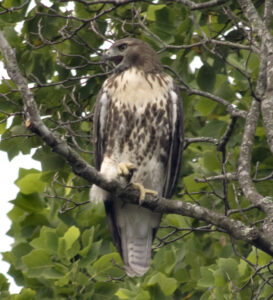 Excitingly, I have a new Nikon D5300 DSLR camera with both regular (18-55 mm) and telephoto (55-300 mm) lenses, so I will be able to take great long-distance photos. This photo of a juvenile red-tailed hawk way up high in a tree behind our house was taken from a distance of over 100 feet (thank you high-school geometry!). As a computer geek, I love the freedom that RAW format photos give me in Photoshop. The only drawback is that they must be edited in order to get a picture format that can be posted online. So the photos I post during the trip will be phone photos, and we’ll all have to wait until after I get home to see the finished ones from the Nikon.